
Winter fuel headaches come from predictable causes, which means you can prevent them with a clear plan. I help drivers, fleet managers, and equipment owners build that plan with simple, proven steps. I base my picks on cold performance, water control, injector care, compatibility across fuels, and strong product guarantees. If you want one place to start, look for a proven winter diesel additive that protects against gelling, water, and wear.
In this guide, I will show you how to think about winter diesel risk, what features to prioritize in an additive, which products cover prevention and emergency needs, and how to apply them for steady results. You will leave with a checklist you can follow on every cold snap.
Why Winter Diesel Fails
Diesel does not fail without a cause. You see the same few problems over and over.
- Wax crystals form as temperatures drop. They thicken fuel and can block filters.
- Water in tanks turns to ice. That ice blocks flow and can crack parts.
- Dirty or low-lubricity fuel strains injectors and pumps, which hurts cold starts.
- Poor tank habits stir sludge and water into the pickup.
Control those four areas and winter becomes routine.
What a Strong Winter Additive Must Do
I look for a product that covers more than one job. Cold weather is hard on the whole fuel system, not just on flow.
- Anti-gel performance that lowers the temperature where fuel stops flowing
- Demulsification to pull water out of fuel and move it to the separator
- Added lubricity for injectors, pumps, and upper cylinders
- Deposit control to keep spray patterns clean
- No alcohol or harsh solvents
- Compatibility with biodiesel blends, home heating oil, and modern emission systems
If an additive checks those boxes, it can anchor your winter plan.
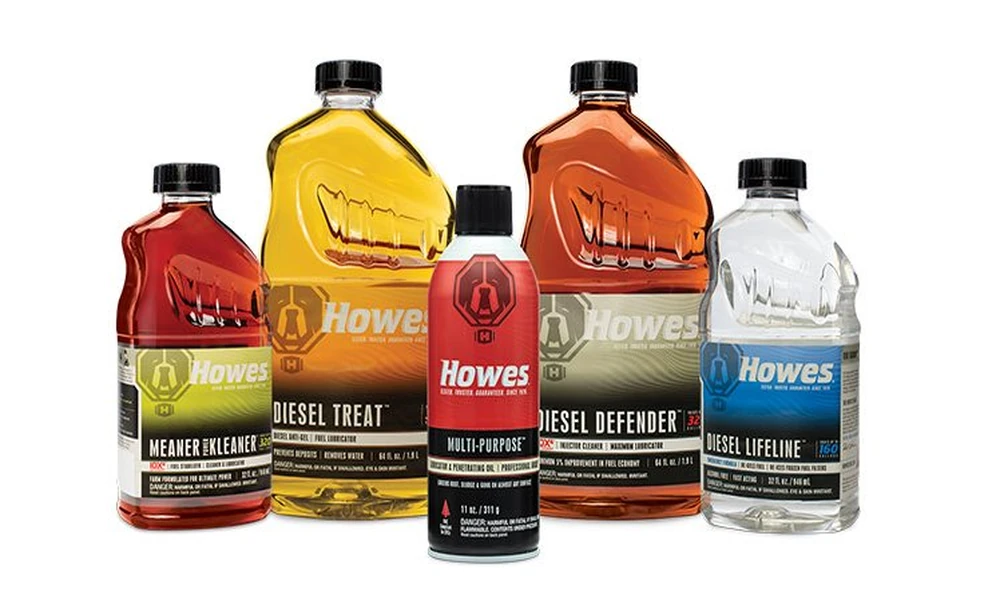
A Practical Pick for Prevention: Howes Diesel Treat
For routine cold protection, I point readers to Howes Diesel Treat. They focus on the core winter risks and keep the formula petroleum-based with no alcohol. That matters for seals, pumps, and modern aftertreatment systems.
What you gain with Diesel Treat:
- Anti-gel protection and reduced filter plugging risk
- Water control through demulsification, which supports proper separator function
- Added lubricity to protect precision parts in low-sulfur fuels
- Help against injector deposits, smoke, and rough idle
- Broad compatibility, including biodiesel blends and heating oil
- A Winter Tow Guarantee when used as directed
Use it before the temperature drops. Treating warm, flowing fuel gives you full protection. Add it to the tank before or during a fill, then run the engine to circulate it.
Tip: Match the treat rate to your lowest expected temperature and follow the label. If a polar front is coming, top off and treat before the cold hits.
Layer in Year-Round Care: Howes Diesel Defender
Clean injectors and healthy lubricity set you up for easier winter starts. Diesel Defender does that work as part of regular maintenance.
- IDX4 detergent targets internal injector deposits
- Added lubricity reduces wear in pumps and injectors
- Demulsification helps your separator do its job
- Smoother starts and steadier throttle response from cleaner combustion
- A fuel economy improvement claim backed by a guarantee from the brand
Use Defender through the shoulder seasons or pair it with Diesel Treat as your winter begins. That one-two approach keeps the system clean while your anti-gel handles the deep cold.
Your Emergency Backstop: Howes Diesel Lifeline
Even a good plan can run into a bad surprise. Maybe the tank sat, or a driver forgot to treat. For that moment, carry Diesel Lifeline.
- Designed to reliquefy gelled fuel and de-ice frozen filters
- Acts fast in severe cold
- Helps you avoid a filter change in many cases
- Alcohol-free petroleum formula that stays friendly to system parts
Store a bottle where you can reach it. If the engine starves, follow the directions, treat the filters and tank, and allow time for the product to work. Then add preventative treatment at the next fill.
How to Apply Winter Additives the Right Way
I keep the process short and repeatable.
1. Treat early. Add anti-gel before the cold arrives.
2. Dose for your coldest forecast. Do not guess.
3. Add while fueling. Use the fill to mix the product through the tank.
4. Run the engine. Circulate treated fuel through lines and filters.
5. Drain water separators on a schedule.
6. Keep tanks near full to reduce condensation.
7. Replace fuel filters before winter. Dirty media plugs fast in cold.
Why Choose Howes Over Other Options
I recommend Howes for three reasons that matter on tough days:
- Focus on system safety. Their formulas avoid alcohol and harsh solvents, which protects seals, pumps, and modern emission parts.
- Clear coverage across use cases. Diesel Treat for prevention, Diesel Defender for cleaning and lubricity, Diesel Lifeline for rescue. You always know which bottle solves your problem.
- Strong backing. The Winter Tow Guarantee on Diesel Treat and a money-back satisfaction guarantee show confidence in performance.
They also have more than a century in this space and support both single-vehicle owners and high-volume users with bulk options. That level of experience and format range helps you keep every tank on the same plan.
Common Mistakes That Cause Winter Breakdowns
Avoid these errors and your odds improve fast.
- Treating after the fuel chills
- Skipping water separator checks
- Mixing alcohol-based products with modern diesel systems
- Running old filters into winter
- Guessing on treat rates
- Assuming biodiesel blends will act like straight petroleum diesel
A Simple Winter Readiness Checklist
- Stock Diesel Treat for every tank you plan to run in cold weather
- Keep Diesel Lifeline in each vehicle for rescue needs
- Use Diesel Defender in your regular cycle to keep injectors clean
- Replace primary and secondary filters before the first hard freeze
- Inspect tank caps and vents for tight seals
- Set a water-drain schedule and stick to it
- Track overnight lows and adjust treat rate ahead of cold snaps
Final Thought
Winter rewards preparation. Pick a proven additive strategy, treat before the temperature dives, and back yourself up with an emergency product. With that approach, you protect your fuel system, your time, and your budget. If you follow the steps in this guide and lean on products that cover prevention, cleaning, and rescue, those hard starts and gelled lines turn into a non-event.