
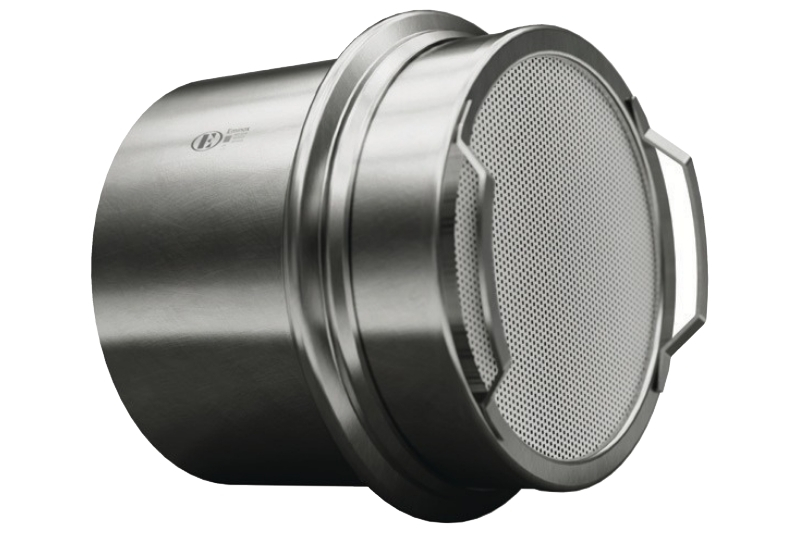
Running a fleet of vehicles in the UK is no small feat. From keeping up with schedules to ensuring drivers’ safety, fleet managers juggle numerous responsibilities daily. However, one critical aspect that often goes under the radar until it causes problems is the health of a vehicle’s Diesel Particulate Filter (DPF). Neglecting Fleet DPF management and regular DPF cleaning can have serious financial and operational consequences for businesses relying on diesel vehicles.
In this article, we’ll explore common DPF issues faced by fleet operators, the reasons why proactive Fleet DPF management is essential, and how proper DPF cleaning keeps fleets running efficiently and cost-effectively.
Understanding the DPF Challenge in Fleet Vehicles
Modern diesel vehicles come fitted with DPFs to capture harmful soot and particulate matter from exhaust emissions, helping to reduce pollution and comply with stringent UK environmental laws. While the technology is excellent for the environment, it can become a headache for fleet operators when DPFs clog or fail.
Fleet DPF management becomes crucial because fleet vehicles typically cover high mileages and experience varied driving conditions. Urban driving, frequent stop-start journeys, and idling can prevent the DPF from regenerating properly, leading to a build-up of soot. Left unresolved, this build-up can cause vehicles to enter limp mode, suffer reduced performance, or even break down, all of which spell trouble for business operations.
Common DPF Problems Faced by Fleet Operators
Fleet operators across the UK report similar challenges with their diesel vehicles, including:
- Frequent DPF warning lights: These are often triggered when the filter is unable to regenerate effectively due to short trips or urban routes.
- Reduced fuel efficiency: A blocked DPF causes increased back pressure on the engine, forcing it to work harder and consume more fuel.
- Unexpected downtime: Vehicles may need urgent garage visits, disrupting schedules and increasing costs.
- High replacement costs: A new DPF can cost thousands of pounds, eating into fleet maintenance budgets.
Addressing these problems with a proactive Fleet DPF management strategy is the most cost-effective solution.
Why Fleet DPF Management Matters
Investing in proper Fleet DPF management isn’t just about preventing breakdowns; it’s also about optimising your fleet’s overall efficiency and longevity.
1. Cost Savings: Regular monitoring and cleaning reduce the risk of expensive DPF replacements or repairs.
2. Improved Reliability: Clean DPFs help maintain engine performance, ensuring vehicles remain roadworthy and efficient.
3. Legal Compliance: UK emission standards are strict, especially in low-emission zones like London’s ULEZ. Managing your fleet’s DPFs helps you stay compliant and avoid hefty fines.
4. Environmental Responsibility: Keeping DPFs clean means lower emissions, supporting businesses’ environmental goals and reputation.
The Importance of Regular DPF Cleaning
While many believe that passive regeneration alone will keep DPFs clear, it’s often insufficient for fleet vehicles working in urban environments or on irregular driving cycles. This is where DPF cleaning becomes invaluable.
Professional DPF cleaning services can restore filters to near-new condition, removing up to 98% of accumulated soot and ash. Benefits include:
- Extended DPF lifespan: Cleaning can significantly delay or prevent costly filter replacements.
- Better fuel economy: A clean filter reduces engine strain, improving MPG figures.
- Reduced downtime: Planned cleaning prevents unexpected breakdowns and keeps vehicles in service.
- Enhanced performance: Vehicles run more smoothly with less risk of entering limp mode.
For fleet operators, scheduling regular DPF cleaning as part of routine maintenance is a wise decision that pays dividends in the long run.
Solutions for UK Fleet Operators
To stay ahead of DPF-related issues, UK fleet managers should:
- Implement a proactive Fleet DPF management plan, including regular diagnostics and monitoring.
- Educate drivers on the importance of allowing regeneration cycles to complete whenever possible.
- Partner with trusted providers offering professional DPF cleaning services to maintain optimal fleet health.
- Keep accurate maintenance records to spot trends and prevent recurring issues.
Conclusion
Fleet operators in the UK face unique challenges in keeping vehicles compliant, efficient, and reliable. With urban driving conditions and strict emissions regulations, proactive Fleet DPF management and timely DPF cleaning are essential to avoid costly disruptions and keep fleets running smoothly.
By taking control of DPF health, businesses not only protect their bottom line but also contribute positively to air quality and environmental goals. Investing in the right strategies today ensures your fleet remains fit for the road and the future.