
Sharing Responsibility on Glendale’s Streets
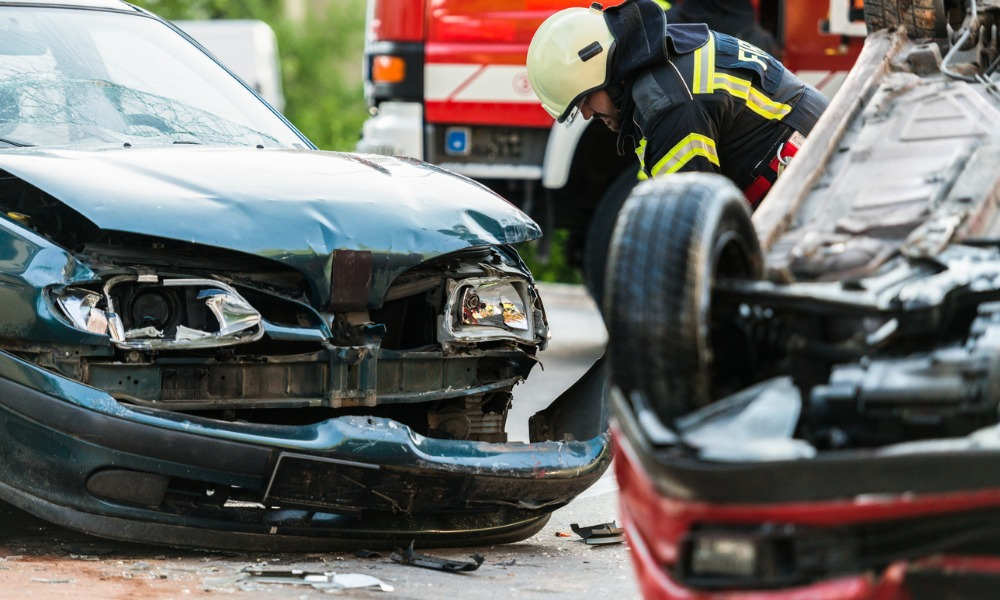
Glendale is known for its tree‑lined neighborhoods and busy commercial corridors, from Brand Boulevard to the Glendale Galleria. Drivers encounter a mix of local commuters, shoppers and through‑traffic heading toward downtown Los Angeles. When accidents occur, fault is often shared among multiple parties. California’s comparative negligence doctrine applies here just as it does in Burbank: injured parties can pursue damages even if they contributed to the crash, but their recovery is reduced by their percentage of fault. This article explores how comparative negligence works in Glendale and why it matters for your claim.
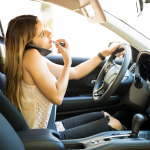
Comparative negligence encourages a nuanced view of car accidents. Instead of declaring one driver entirely at fault, the law recognizes that multiple actions—tailgating, failing to signal, speeding—may each play a role. If you are deemed 40 % responsible for a crash near the Americana at Brand because you were following too closely, you can still recover 60 % of your damages. Understanding this principle motivates you to collect evidence that minimizes your fault share and to resist insurance adjusters’ attempts to overstate it.
Glendale’s Traffic Patterns and Risk Factors
Glendale sits at the crossroads of several major arteries, including State Route 2 and Interstate 5. The city’s hilly terrain and winding roads require drivers to pay close attention. Intersections along Colorado Street and Central Avenue are notorious for congestion, making rear‑end collisions common. Additionally, Glendale’s vibrant Armenian and Korean communities contribute to a multilingual driving environment where miscommunication can occur. Documenting the specific conditions of your crash—time of day, traffic density, signage—helps clarify how fault should be allocated.
While the statute of limitations and comparative negligence rules are statewide, a local attorney familiar with Glendale’s court system and insurance landscape can provide tailored guidance. They may know which intersections have surveillance cameras or which adjusters handle claims involving Glendale crashes. Working with someone who understands these nuances can improve your chances of a fair outcome.
Taking Control of Your Case
After a Glendale accident, start by ensuring everyone’s safety and calling emergency services. Exchange information with other drivers and witnesses, and take photos of the scene. See a doctor promptly, even if you believe your injuries are minor. Finally, consult an attorney who can evaluate your case, estimate potential fault percentages and develop a strategy to maximize your recovery. Even if you think you played a role in the crash, you may still be entitled to significant compensation under California’s comparative negligence system.
Conclusion: Fair Compensation Starts with Understanding
Comparative negligence can be confusing, but it’s designed to ensure that each party bears responsibility proportionate to their actions. By learning how this doctrine operates and gathering evidence to support your version of events, you can position yourself for a fair settlement or verdict. For personalized advice and representation, contact car accident attorney in Glendale. Knowledge is power when navigating shared fault on Glendale’s bustling streets.