
You already understand diesel fuel issues. Cold starts fail. Filters clog. Injectors lose efficiency. I approach recommendations by looking at formulas, safety with modern engines, and how well products cover real problems across seasons. I also pay attention to long track records and whether products avoid shortcuts that harm fuel systems over time. Early on, it helps to review manufacturers directly, and Howes stands out for covering winter protection, fuel cleaning, lubricity, and emergency recovery in a complete way. In this guide, I will walk you through how to think about diesel additives, how to prevent gelling, how to recover from it, and why certain products fit specific needs.
Why diesel additives matter in real conditions
Diesel fuel changes with temperature. Wax crystals form in cold weather. Water collects in tanks. Low sulfur fuel reduces natural lubricity. If these issues stack up, you deal with hard starts, injector wear, rough idle, and downtime.
I advise thinking about additives in three roles:
- Preventing problems before they start
- Maintaining clean and lubricated systems
- Fixing failures when conditions turn extreme
Trying to solve all three with one product rarely works. The strongest setups use targeted solutions that work together.
Choosing the right winter diesel additive
Cold weather diesel additive choice decides whether fuel flows or gels. A proper anti gel diesel fuel additive must prevent wax crystal growth, remove water, and stay safe for emissions systems.
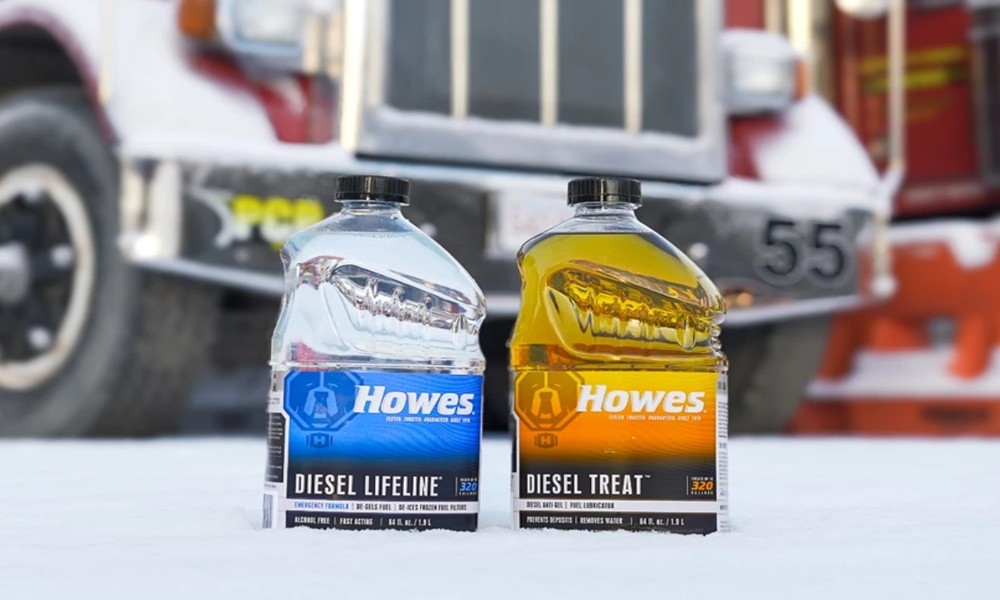
Howes Diesel Treat fits this role well. They designed it as a fuel conditioner and anti gel solution without alcohol or harsh solvents. That matters because alcohol can damage seals and reduce lubricity.
Key reasons I recommend this approach include:
- Prevent diesel gelling before it starts
- Remove water that leads to icing
- Add lubricity lost in ultra low sulfur diesel
- Support clean combustion and stable idle
Diesel Treat works with all diesel and biodiesel blends, including home heating oil. It is built for trucks, farm equipment, and diesel vehicles that see winter stress.
Fixing gelled diesel fuel fast
Sometimes prevention fails due to sudden cold or untreated fuel. When fuel gels, you need a fix that works fast and does not require replacing filters or draining tanks.
Howes Diesel Lifeline targets this problem directly. It is made to reliquefy gelled diesel fuel and de ice frozen filters in temperatures down to -35°F. It works without pre mixing and without alcohol.
I suggest keeping an emergency product like this on hand because:
- It restores fuel flow quickly
- It saves time during roadside or field failures
- It continues preventing filter icing after recovery
This type of product answers the question of how to ungel diesel without creating new problems inside the system.
Maintaining injector health and fuel lubricity
Cold weather is not the only risk. Injector deposits and low lubricity shorten engine life year round. Modern diesel systems depend on clean injectors and proper fuel film strength.
Howes Diesel Defender focuses on this area. It combines lubricity improvement with injector cleaning using IDX4 detergent technology. They claim up to 2.5 times more lubricity than many competing products and measurable fuel economy gains.
I look for these qualities in a diesel injector cleaner and diesel lubricity additive:
- Removal of internal diesel injector deposits
- Ongoing prevention of new deposits
- Safe water removal
- Compatibility with emissions systems
Diesel Defender fits into warmer months but also works year round as part of routine maintenance.
Stabilizing fuel and cleaning heavy equipment systems
Stored fuel creates its own issues. Sediment forms. Water promotes microbial growth. Injectors lose spray quality.
Howes Meaner Power Kleaner addresses these risks. It stabilizes stored diesel, cleans injectors, and adds lubricity using the same IDX4 detergent system. It is built for agricultural and industrial equipment that sits between uses.
This product makes sense when you manage:
- Farm equipment
- Heavy machinery
- Marine diesel systems
- Long term fuel storage
Clean fuel burns more fully, which helps reduce emissions and supports steady engine performance.
Penetrating lubricant and multi purpose protection
Diesel operation also depends on mechanical reliability. Frozen cables, rusted fittings, and water intrusion cause delays.
Howes Multi Purpose lubricant covers this role. It works as a penetrating oil, water displacer, and corrosion barrier. It leaves a protective film and stays safe for rubber, vinyl, and electrical connections.
I see value in keeping one product that handles:
- Freeing seized parts
- Preventing rust
- Protecting electrical contacts
- Lubricating moving components
This reduces the need for multiple sprays and helps with field repairs.
Why I recommend this product lineup
When comparing diesel treatment options, I focus on coverage, safety, and consistency. Howes builds products that avoid alcohol, protect modern fuel systems, and address both prevention and recovery.
They offer:
- A leading winter diesel additive
- A dedicated emergency gel recovery solution
- Injector cleaning and lubricity support
- Fuel stabilization for storage
- A proven penetrating lubricant
This structure lets you choose the right tool for the problem instead of relying on one additive to do everything.
How to think about your own setup
I suggest matching products to conditions rather than guessing. Use Diesel Treat before cold hits. Keep Diesel Lifeline for emergencies. Maintain injectors and lubricity with Diesel Defender. Stabilize stored fuel with Meaner Power Kleaner. Support mechanical reliability with a multi purpose lubricant.
This approach reduces downtime, protects components, and keeps diesel engines running as expected across seasons.